
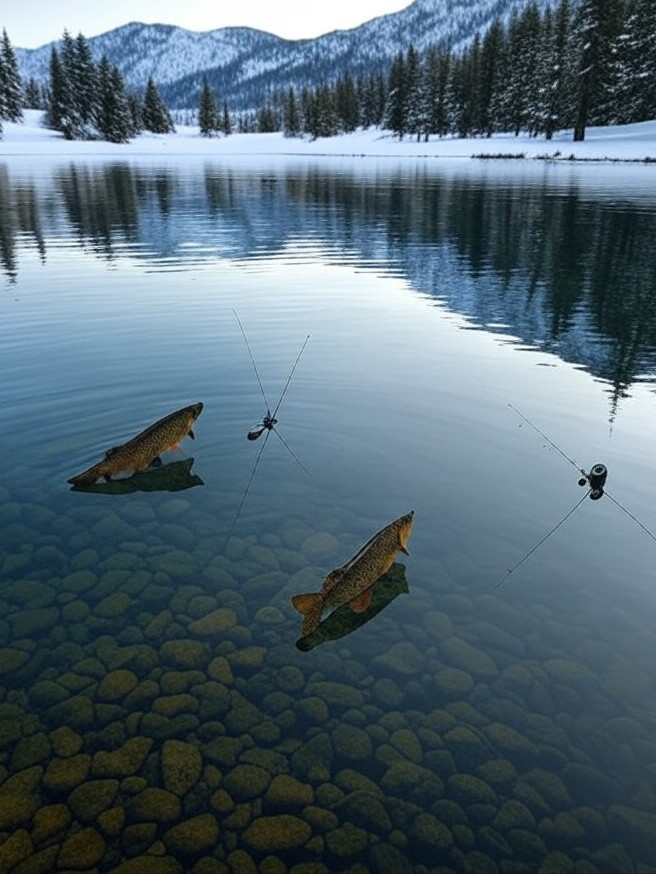
Winter trout fishing offers a serene escape for outdoor enthusiasts, where the crisp air and quiet waters create an intimate connection with nature. Targeting trout around structures—such as submerged logs, rocky ledges, or overhanging branches—becomes especially rewarding in colder months when fish seek shelter and ambush points to conserve energy. These structures provide cover from predators and current, making them hotspots for trout activity even as water temperatures drop. Using the right lures can mean the difference between a frustrating day on the ice-free streams or rivers and a haul of feisty rainbows, browns, or brookies.
Why does this matter? Winter fishing hones your skills in reading water and adapting to challenging conditions, like reduced visibility and sluggish fish metabolism. It’s not just about the catch; it’s about embracing the solitude of frosty mornings and the thrill of outsmarting wary trout. With proper gear and techniques, you can fish ethically and sustainably, respecting regulations on catch limits and habitat. Whether you’re a seasoned angler or a newcomer, mastering structure lures opens up year-round adventures, promoting mental clarity and a deeper appreciation for aquatic ecosystems. In this guide, we’ll explore the top 10 lures that excel in these scenarios, complete with tips to maximize your success while prioritizing safety and preparation.
Top 10 Winter Trout Structure Lures
#1 Mepps Aglia Spinner
The Mepps Aglia Spinner is a classic for winter trout, with its flashing blade mimicking baitfish near structures. In cold water, trout hold tight to logs or boulders, so cast upstream and let it flutter into pockets. Use sizes 0-2 for streams under 20 feet wide; the gold or silver blades work best in clear, low-light conditions common in winter.
Tip: Pair with 4-6 lb fluorocarbon line to avoid spooking fish. In regions like the Rockies or Appalachians, target mid-depth structures during late morning when trout feed actively. Always check local permits—many states require a trout stamp.
#2 Rapala Original Floater
This minnow-imitating lure excels around overhanging branches, wobbling enticingly on a slow retrieve. Its buoyant design allows it to suspend near structure without snagging, ideal for winter’s sluggish trout. Opt for the 7cm size in natural colors like silver or brown for rivers with woody debris.
In early winter, fish it in 3-5 foot depths where structures create eddies. Safety note: Wear polarized sunglasses to spot hidden snags. Popular in Midwestern tailwaters, ensure you’re licensed for public waters.
#3 Panther Martin Spinner
With a concave blade for vibration, the Panther Martin draws strikes from structure-bound trout in murky winter flows. The inline design tracks straight, perfect for tight casts around rocks. Choose the 1/8 oz model with a yellow body for stained water.
Retrieve slowly, pausing near ledges to let it sink. In Pacific Northwest streams, this lure shines during January thaws. Pack waders with cleats for icy banks and follow hypothermia prevention by layering appropriately.
#4 Worden’s Rooster Tail
The Rooster Tail’s hackle tail and spinner create a lifelike profile, irresistible to trout hiding in undercut banks. Its compact size (1/16-1/8 oz) navigates structure-heavy areas without fouling. White or black versions mimic insects in winter scarcity.
Fan-cast across currents and twitch gently. Effective in Eastern U.S. freestone rivers; verify seasonal closures. Gear tip: Use a light spinning rod (6’6″ ultralight) for sensitivity.
#5 Blue Fox Vibrax Spinner
Featuring a weighted blade for deeper runs, the Blue Fox targets trout in submerged timber during cold snaps. The caged bead adds flash, provoking reaction strikes. Go for size 2 in chartreuse for low-visibility days.
Let it bump structures lightly before reeling. In Southern tailwaters like those in Tennessee, it’s a go-to for December fishing. Always carry a first-aid kit for hook removals and respect no-fishing zones near dams.
#6 Joe Fly Trout Spoon
This small spoon (1/4 oz) flutters erratically near rocky structures, imitating injured minnows that winter trout can’t resist. Its weedless design reduces hang-ups in brushy areas. Silver or gold finishes excel in sunny winter spells.
Cast and count down to depth, then jig vertically. Ideal for Great Lakes tributaries; obtain a non-resident license if traveling. Insulate your hands with neoprene gloves for prolonged casting.
#7 Thomas Buoyant Minnow
A suspending jerkbait, the Thomas Buoyant dives to 4 feet, hovering near ledges where trout winter. Pause retrieves to let it sit, triggering follows. The 1 3/4″ size in perch pattern suits smaller streams.
In Rocky Mountain creeks, use during stable cold fronts. Tip: Attach a split shot for extra sink. Prioritize catch-and-release with barbless hooks to aid fish survival in low oxygen.
#8 Kastmaster Spoon
#8 Kastmaster Spoon
The aerodynamic Kastmaster casts far to distant structures, its hammered finish reflecting light to attract lethargic trout. At 1/4 oz, it reaches 6-foot depths on a slow fall. Chrome works for clear water.
Jig it up and down near boulders. Proven in California Sierra streams; check for bear-aware camping if overnighting. Use a landing net to avoid stressing fish on cold days.
#9 Dardevle Spoon
With bold red stripes, the Dardevle provokes aggressive strikes from structure trout in winter. Its wobble on a steady retrieve covers water efficiently. Select the 1/4 oz for moderate currents.
Troll slowly along banks. In Ozark rivers, it’s deadly in February. Safety: Inform someone of your plans and carry a whistle for emergencies in remote areas.
#10 Acme Little Cleo
This versatile spoon undulates near woody structures, its slim profile slicing through cold water. Sizes 1/4-1/2 oz in nickel finish target larger browns. Vary speed to match trout mood.
Focus on dawn patrols in Northeastern brooks. Gear: Balance with a 2000-series reel for drag control. Adhere to slot limits in managed waters for sustainability.
Key Takeaways
- Always check local regulations for winter fishing seasons, licenses, and structure-specific rules to avoid fines.
- Layer clothing with waterproof breathable fabrics and wear insulated boots to combat cold and wet conditions.
- Use fluorocarbon leaders (4-8 lb) for invisibility near wary winter trout, and carry pliers for safe hook removal.
- Plan trips around weather forecasts; avoid fishing during extreme cold snaps to prevent hypothermia risks.
- Respect structures by not disturbing habitats—practice leave no trace principles for ecosystem health.
- Pack essentials like a thermos of hot drinks, GPS, and emergency blanket for remote winter outings.
- Test lures in advance; start with smaller sizes as winter trout prefer subtle presentations.
How to Get Started
To dive into winter trout structure lure fishing, begin by researching local waters through apps like Fishbrain or state wildlife sites for structure maps and current conditions. Acquire basic gear: an ultralight rod, reel, and a tackle box stocked with the top lures listed. Take an online course on cold-weather angling safety from organizations like the Orvis Fly Fishing School to build confidence.
Start close to home with a day trip to a nearby stream, arriving at first light for peak activity. Log your catches in a journal to refine techniques. Join a local fishing club for guided outings and tips. Remember, patience is key—winter trout test your skills, but the rewards of a hard-fought fish make every cast worthwhile. Gear up, stay safe, and hit the water this season!