
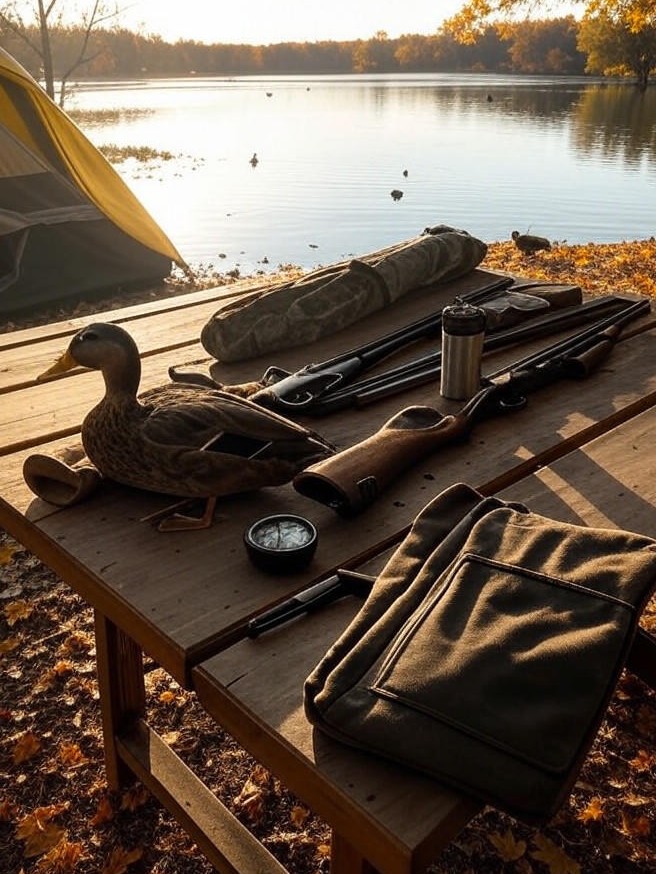
Setting up a duck camp is more than just a hunting trip—it’s a rite of passage for waterfowl enthusiasts, blending the thrill of the hunt with the camaraderie of camp life. Whether you’re hunkered down on a misty marsh in the early dawn or sharing stories around a crackling fire at dusk, having the right gear essentials can make or break your experience. Duck hunting demands preparation against unpredictable weather, wet conditions, and long hours in the field, so prioritizing durable, functional items is key. These essentials not only enhance safety and comfort but also boost your success rate by keeping you stealthy and ready. For novices, a well-stocked kit builds confidence; for seasoned hunters, it’s about refining efficiency in remote spots like Louisiana bayous or Midwest wetlands during fall migration. Investing in quality gear pays off in reliability—think breathable fabrics that wick away moisture or tools that withstand brutal elements. This listicle dives into the top 10 must-haves, offering practical tips tailored to seasons like the crisp autumn hunts when ducks flock south. Remember, always check local regulations for permits and ethical harvesting to ensure sustainable adventures that preserve the sport for generations. With these essentials, your duck camp becomes a hub of memorable pursuits, fostering skills in patience, marksmanship, and outdoor living.
Top 10 Duck Camp Gear Essentials
#1 Quality Waders
Breathable neoprene waders are non-negotiable for navigating shallow waters and muddy shores without hypothermia risks. Opt for chest-high models with reinforced knees and boots for traction on slick terrain. In regions like the Pacific Flyway, where fall rains turn fields into swamps, these keep you dry during multi-hour stands.
Tip: Size up for layering with base layers in colder months, and always rinse with fresh water post-hunt to prevent salt damage. Brands like Sitka or Cabela’s offer durable options under $300 that last seasons.
#2 Insulated Camo Jacket
A waterproof, insulated jacket with Realtree or Mossy Oak patterns provides concealment while battling wind and chill. Look for features like adjustable hoods and pit zips for temperature control during active retrieves. Essential in northern hunts where temps dip below freezing in October.
Maintenance involves drying thoroughly to avoid mold, and pairing with scent-blocking spray enhances stealth near roosting areas. Expect to invest $150–250 for gear that withstands brambles and downpours.
#3 Duck Decoys
A starter set of 12 mixed mallard decoys (floaters and feeders) lures birds realistically into range. Motion adds allure—consider adding jerk strings for lifelike ripples on calm ponds. Prime for early-season spreads in Texas rice fields.
Store them in mesh bags to prevent mildew, and customize numbers based on hunt size: more for open water, fewer for tight blinds. Quality sets from Avian-X run $100–200 and boost decoying success by 30%.
#4 Duck Calls
Single-reed acrylic calls mimic hen quacks and feeding chuckles effectively. Practice produces volume control for close-range coaxing without spooking flocks. Vital during migration peaks in November across the Atlantic Flyway.
Start with a basic Mallard call and add a soft triple-reed for versatility. Clean after wet hunts to maintain tone; instructional apps help beginners master cadences for species-specific lures.
#5 Portable Hunting Blind
Pop-up willow blinds or layout mats offer quick concealment in flooded timber or fields. Choose lightweight, stake-secured models for windy Great Lakes setups. They blend into reeds, keeping you hidden from sharp-eyed birds.
Enhance with natural cover like grass mats. Setup takes under 10 minutes, ideal for mobile hunts; durable options from Avery cost $100–150 and fold compactly for transport.
#6 Reliable Shotgun
A 12-gauge over-under or semi-auto with 3-inch chambers handles steel shot for non-toxic compliance. Camo finishes reduce glare; 26–28-inch barrels balance swing speed for passing shots. Required for all legal hunts, per federal regs.
Pattern your gun pre-season at 40 yards for choke selection (modified for versatility). Safe storage in camp prevents accidents; Beretta or Remington models around $500–800 ensure dependability in damp conditions.
#7 Non-Toxic Ammunition
Steel or bismuth loads in #2–4 shot sizes maximize patterns for ducks at 30–40 yards. Carry 2–3 boxes per hunter to avoid shortages during high-volume days. Heed state bag limits, like 6 daily in most areas.
Store ammo in waterproof cases to combat humidity. Test for velocity to match your gun, ensuring ethical, one-shot kills that honor fair chase principles.
#8 Cooler and Game Bags
A 50-quart hard-sided cooler preserves birds on ice, complying with transport laws. Pair with ventilated game bags for field dressing to cool meat quickly. Crucial post-hunt in warm southern climates to prevent spoilage.
Label bags for organization and clean with bleach solutions. Yeti or Igloo coolers ($200+) maintain temps for 5+ days, supporting table-to-farm ethics in camp meals.
#9 Headlamp and Multi-Tool
LED headlamps with red modes preserve night vision for pre-dawn setups, while multi-tools handle decoy repairs or knife work. Essential for low-light retrieves in foggy deltas.
Rechargeable batteries extend life; Leatherman-style tools include pliers for stubborn hooks. Pack extras for group hunts, ensuring safety during evening breakdowns.
#10 First Aid Kit and Navigation Tools
A waterproof kit stocked with bandages, antiseptics, and tweezers addresses cuts from thorns or hooks. Include GPS or compass for remote areas like Alaskan marshes, where cell service falters.
Customize for allergies and add emergency blankets. Annual checks keep supplies fresh; Garmin devices ($150) provide waypoints, preventing disorientation in vast wetlands.
Key Takeaways
- Always verify hunting licenses and season dates via state wildlife agencies to avoid fines.
- Prioritize waterproofing in gear selections to combat wet, cold conditions that lead to slips or chills.
- Practice ethical shooting: aim for clean kills within 40 yards to minimize wounding.
- Pack layers for variable weather, starting with moisture-wicking base layers for all-day comfort.
- Share gear checklists with your group to cover essentials and reduce overlooked items.
- Respect the environment by packing out trash and using lead-free ammo for habitat protection.
- Train with calls and decoys pre-season to improve success without disturbing wildlife.
How to Get Started
Begin by assessing your local hunting spots—scout public lands via apps like onX Hunt for access points and water levels. Budget $1,000–2,000 for a core kit, starting with waders and a shotgun if you’re new. Join a local waterfowl association for mentorship and gear swaps. Plan a trial camp: set up for a day hunt to test items, noting adjustments for comfort. Finally, prioritize safety training through Hunter Education courses, and log your outings to refine your setup over seasons. With these steps, you’ll be quack-ready for epic duck camp memories.