
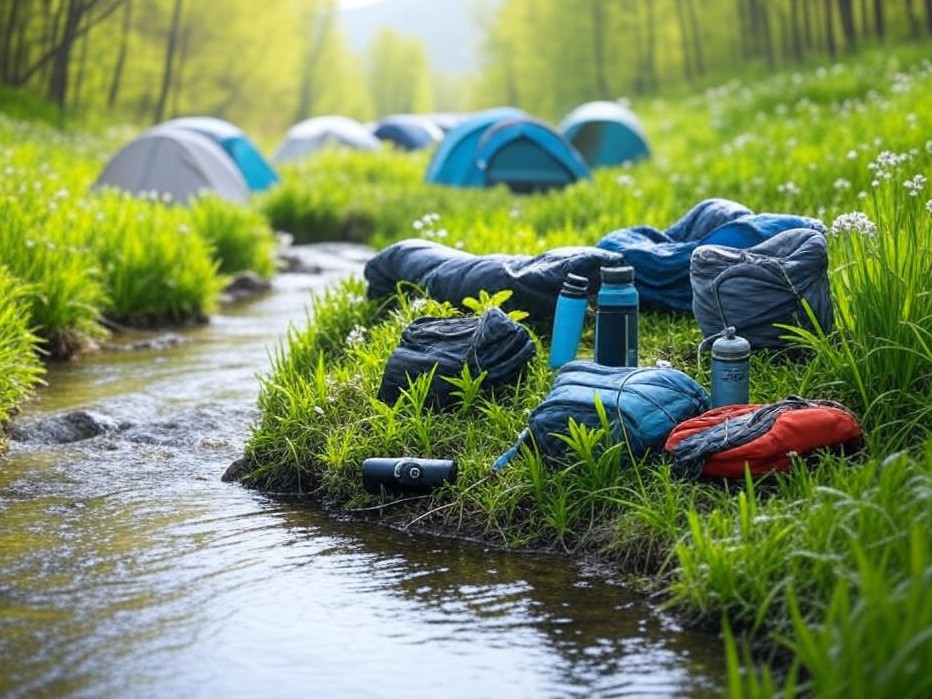
Imagine the crisp morning air biting at your cheeks as you lace up your boots, the promise of a new trail stretching out before you. Spring has arrived, and with it, the irresistible call of the outdoors. In 2025, the outdoor gear scene is buzzing with innovation, driven by a community eager to explore while protecting the planet. From rugged mountain paths to serene lakeside camps, adventurers are gearing up with equipment that’s not just functional but also tells a story of sustainability and connection. This season, we’re diving into how the latest gear trends are shaping our experiences and how the outdoor community is rallying around conservation efforts. Whether you’re a seasoned hiker or a weekend warrior, there’s something new to inspire your next escape into the wild. Let’s unpack the tools and ethos driving spring adventures this year.
- Discover cutting-edge gear innovations for safer, eco-friendly spring adventures in 2025.
- Learn how outdoor communities are uniting to champion conservation with every purchase.
- Get practical tips to choose gear that matches your values and trail needs.
Trend Alert: AI-Enhanced Gear for Smarter Adventures
The outdoor gear landscape in 2025 is witnessing a tech revolution, with AI integration leading the charge. Smart backpacks now feature built-in navigation systems that adapt to weather changes, while AI-powered hiking gadgets, like binoculars with real-time wildlife identification, are transforming how we interact with nature. According to industry insights, the global outdoor gear market is projected to reach USD 99.86 billion by 2033, with tech-driven equipment playing a significant role (source: Business Research Insights). These innovations aren’t just gadgets; they’re tools that enhance safety and deepen our connection to the environment. Imagine hiking with a device that alerts you to a nearby bear or suggests the best route based on your energy levels—spring treks just got smarter.
Sustainability in Gear: Eco-Friendly Materials Take Center Stage
Sustainability isn’t a buzzword anymore; it’s a mandate. In 2025, brands are prioritizing eco-conscious materials, with gear made from recycled plastics and biodegradable fabrics gaining traction. Tents, backpacks, and even hiking boots now boast lower carbon footprints without sacrificing durability. Reports indicate that consumer demand for sustainable products has pushed over 60% of outdoor brands to adopt greener practices. This spring, choosing gear with certifications like Bluesign or Fair Trade isn’t just a purchase—it’s a vote for the planet. Picture setting up a campsite with a tent that once was ocean plastic, knowing your adventure leaves a lighter mark on the earth. It’s a trend that’s reshaping how we equip ourselves for the wild.
Community Impact: Gear Brands Supporting Conservation
The outdoor community is more connected than ever, and gear brands are stepping up to support conservation. In 2025, many companies pledge a percentage of sales—some as high as 5%—to environmental initiatives like reforestation and trail maintenance. Events like gear swap meets and community cleanups are also on the rise, fostering a culture of care. Last year, over 500,000 outdoor enthusiasts participated in conservation drives across the U.S. alone. When you buy a new jacket or pair of boots this spring, you might also be funding a national park’s restoration. It’s a heartwarming shift, knowing that your gear haul contributes to preserving the very landscapes you love to explore.
Practical Tips: Choosing Gear for Spring Conditions
- Layer Smart: Spring weather is unpredictable. Opt for moisture-wicking base layers and lightweight, waterproof jackets to stay comfortable.
- Test Durability: Check reviews for gear tested in wet, muddy conditions—spring trails can be sloppy. Look for reinforced seams and soles.
- Prioritize Versatility: Choose multi-use items like convertible pants or modular backpacks to adapt to changing temps on a single hike.
- Go Green: Seek out brands with transparent sustainability claims. A quick label check can ensure your gear aligns with eco-values.
Gear and Community: Stories from the Trail
This spring, I met a group of hikers at a local trailhead, each sporting gear from brands known for conservation pledges. One shared how a simple purchase of a reusable water bottle led them to join a river cleanup event organized by the brand. It’s a ripple effect—gear choices spark conversations and build bonds. Across online forums and local meetups, outdoor enthusiasts are swapping stories of how their equipment has endured epic spring storms or supported a cause. With over 40 million Americans hiking annually, these shared experiences weave a tight-knit community. Your gear isn’t just stuff; it’s a ticket to a tribe that values both adventure and advocacy.
Frequently Asked Questions
What’s the most innovative gear trend for spring 2025? AI-enhanced gear, like smart backpacks and wildlife-identifying binoculars, tops the list, offering safety and immersive nature experiences.
How can I ensure my gear is sustainable? Look for certifications like Bluesign or products made from recycled materials, and research brands’ environmental commitments before buying.
Why does community matter in outdoor gear choices? Community initiatives by brands often fund conservation, and shared gear stories inspire collective action for environmental protection.
As spring unfolds, the outdoors beckons with trails to conquer and vistas to savor. The gear you choose in 2025 isn’t just about performance—it’s about joining a movement that cherishes and protects nature. So, pack your eco-friendly tent, lace up those sustainable boots, and step into a season where every adventure strengthens our bond with the wild and each other.