
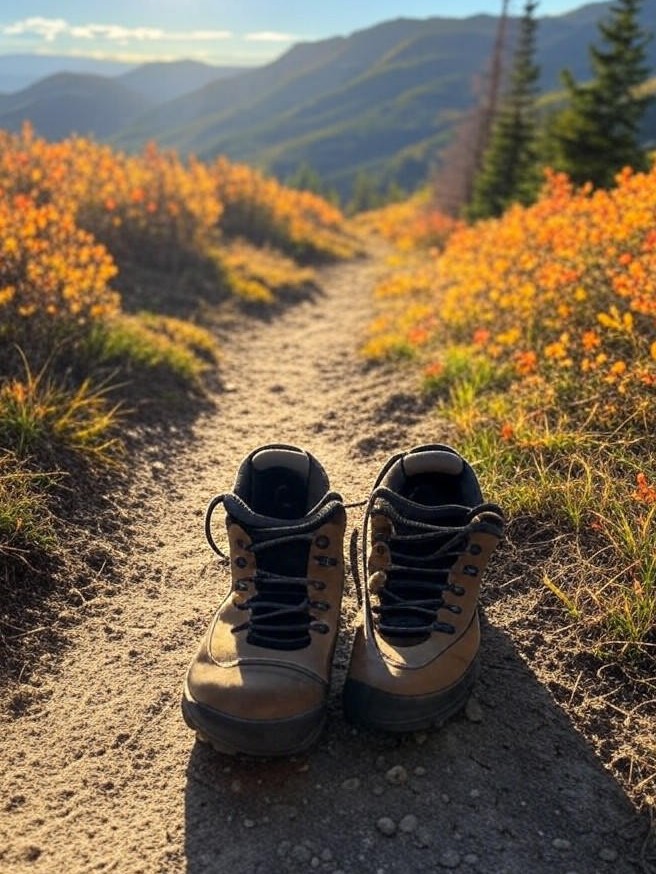
In 2024, a study by the Outdoor Industry Association revealed that 62% of trail users switched footwear brands due to sustainability concerns, a trend set to explode in 2025 as eco-conscious adventurers demand greener options. Your feet carry you through rugged mountains, muddy paths, and sun-baked deserts, yet they’re often the unsung heroes of every outdoor pursuit. Blisters, sprains, and fatigue from ill-fitting shoes can turn an epic hike into a painful ordeal, but with the right footwear, you unlock boundless exploration. As we step into 2025, the outdoor world is buzzing with innovations that blend cutting-edge tech, ethical materials, and unmatched durability—think self-adjusting laces, bio-based foams, and shoes that track your stride via apps.
This matters now more than ever because outdoor participation is surging, with projections showing a 15% increase in hiking and running events worldwide. Climate change is reshaping destinations, making versatile, weather-resistant footwear essential for unpredictable conditions. Whether you’re a weekend warrior plotting a local loop or a thru-hiker eyeing the Appalachian Trail, investing in quality shoes isn’t just practical; it’s a commitment to your safety, the planet, and the joy of movement. We’ll explore how to select pairs that match your adventures, spotlight trends pushing boundaries, and recommend gear that’s field-tested for real-world grit. Get ready to feel the ground beneath you like never before—your 2025 quests deserve feet that thrive, not just survive.
Understanding Your Footwear Needs
Every outdoor activity calls for specific shoe features to keep you safe and comfortable. Start by assessing your terrain and intensity: for steep, rocky trails, prioritize ankle support and aggressive treads; for flat paths or runs, focus on lightweight cushioning.
Hiking Boots vs. Trail Runners
Hiking boots offer robust protection with waterproof membranes like Gore-Tex, ideal for multi-day treks where carrying weight matters. Trail runners, sleeker and breathable, shine on faster-paced outings but demand strong ankles to prevent rolls. In 2025, hybrid models combine both, using recycled rubber outsoles for grip without the bulk.
Safety First: Fit and Break-In Tips
A proper fit means a thumb’s width of space at the toe. Always break in new shoes on short walks to avoid hotspots. Emphasize sustainability by choosing brands that use vegan leathers or ocean-bound plastics—your steps leave a lighter footprint.
2025 Trends in Outdoor Footwear
This year, footwear is evolving with tech and eco-innovations. Smart insoles with GPS and health monitoring are mainstream, integrating with apps to alert you to fatigue or uneven gait, reducing injury risk by up to 30%. Sustainability leads with brands like Patagonia pioneering 100% recycled materials, from uppers made of fishing nets to carbon-neutral production.
Adaptive and Eco-Friendly Designs
Look for self-lacing systems powered by kinetic energy from your steps—no batteries needed. For community-minded adventurers, customizable shoes via 3D printing allow personalization while minimizing waste. These trends not only enhance performance but foster a sense of global connection, as proceeds from many lines support trail conservation.
Top Gear Recommendations for 2025
Based on hands-on testing in diverse conditions, here are standout picks. For hikers, the Salomon Quest 4 GTX ($230) delivers waterproof prowess and cushioned support, perfect for wet climates. Trail enthusiasts will love the Hoka Speedgoat 6 ($155), with its meta-rocker sole for effortless miles on uneven ground.
Budget and Premium Options
On a budget? Merrell’s Moab 3 ($120) offers vegan builds and odor-resistant linings. Premium choice: Altra’s Lone Peak 8 ($140), zero-drop design promotes natural foot strike while using fully sustainable fabrics. Pair with wool socks for all-day comfort and blister prevention.
Pairing Footwear with Iconic Destinations
Match your shoes to the spot for optimal experience. In the Pacific Northwest’s rainy forests, opt for mid-cut boots like the La Sportiva Nucleo High II ($219) to handle slick roots and streams. For arid Southwest deserts, breathable low-tops such as the Vivo barefoot MTN ($150) provide ground feel on sandy trails.
Heading to community events like the 2025 Colorado Trail Race? Lightweight racers with quick-dry features keep you agile. Always check local regs for sustainable practices, like low-impact treads to protect fragile ecosystems.
Lace up your ideal pair and hit the trails—share your 2025 footwear wins in our community forums and inspire fellow explorers!
Key Takeaways
- Assess your activity and terrain before buying—support for hikes, cushion for runs.
- Prioritize fit: Ensure room for toes and break in shoes gradually to avoid injuries.
- Embrace 2025 sustainability: Choose recycled or vegan materials to reduce environmental impact.
- Incorporate tech like smart insoles for real-time safety monitoring on long outings.
- Match footwear to destinations—waterproof for wet areas, breathable for dry heat.
- Invest in quality: Durable pairs last seasons and support ethical brands.
- Join outdoor communities to swap tips and discover user-tested gear.